Energy-Saving Strategies for Commercial Food and Beverage Companies

Commercial food and beverage companies face unique energy challenges due to the nature of their operations.

From refrigeration and cooking equipment to lighting and HVAC systems, energy consumption can be significant. Implementing energy-saving strategies not only reduces costs but also promotes sustainability.

In this article, we will explore effective energy-saving strategies specifically tailored for commercial food and beverage companies. By optimizing equipment, improving operational practices, and embracing energy-efficient technologies, businesses can achieve significant energy savings, enhance their bottom line, and contribute to a greener future.

Efficient Equipment Selection and Maintenance

Investing in energy-efficient equipment is crucial for commercial food and beverage companies. Choose appliances and machinery that meet or exceed ENERGY STAR® ratings, as they are designed to operate efficiently and consume less energy. Regular maintenance of equipment, such as refrigeration units and cooking appliances, is essential to ensure optimal performance. Properly functioning equipment operates more efficiently, reduces energy waste, and extends the lifespan of the equipment.

Optimize Refrigeration Systems

Refrigeration is a significant energy consumer in the food and beverage industry. Implementing energy-saving measures for refrigeration systems can lead to substantial cost savings. Ensure that refrigerator doors and seals are in good condition to prevent cold air from escaping. Optimize refrigeration temperatures by setting them at the appropriate levels for food safety without overcooling. Regularly clean condenser coils and ensure adequate ventilation around refrigeration units to enhance efficiency. Additionally, consider investing in energy-efficient refrigeration units that utilize advanced technologies such as LED lighting and adaptive defrosting.

Efficient Lighting Solutions

Lighting plays a crucial role in commercial food and beverage establishments, but it can also be a source of energy waste. Replace traditional incandescent bulbs with energy-efficient LED lighting, which not only consumes less energy but also lasts longer. Implement occupancy sensors and timers to automatically control lighting in areas that are not constantly occupied, such as storage rooms and restrooms. Utilize natural lighting as much as possible during daylight hours and install skylights or light tubes to maximize its use. Regularly clean light fixtures and replace bulbs promptly to maintain optimal lighting levels.

HVAC System Optimization

Heating, ventilation, and air conditioning (HVAC) systems can account for a significant portion of energy consumption in food and beverage establishments. Ensure that HVAC systems are properly maintained, including regular filter replacements and coil cleaning, to optimize their efficiency. Consider upgrading to energy-efficient HVAC models that meet or exceed ENERGY STAR® ratings. Programmable thermostats enable precise temperature control based on occupancy and operating hours. Implement zoning systems to regulate heating and cooling in different areas of the facility according to their specific needs. Proper insulation and sealing of ductwork also enhance HVAC system efficiency.

Staff Training and Engagement

Employee engagement and awareness are key factors in achieving energy savings. Train and educate staff on energy-saving practices and provide clear guidelines for energy efficiency. Encourage employees to turn off lights, equipment, and appliances when not in use. Promote the responsible use of energy in day-to-day operations, emphasizing the importance of energy conservation and its positive impact on the environment and the business’s bottom line. Recognize and reward energy-saving efforts to foster a culture of sustainability and continuous improvement.

Embrace Energy Management Systems

Implementing energy management systems can provide valuable insights and control over energy usage in commercial food and beverage companies. These systems monitor and analyze energy consumption in real time, enabling businesses to identify areas of inefficiency and implement targeted energy-saving measures. Energy management systems often integrate with equipment and provide automated control and optimization capabilities. They can also track utility usage, generate reports, and set energy-saving goals. By utilizing data-driven insights, businesses can make informed decisions, prioritize energy-saving initiatives, and monitor progress toward energy reduction targets.

Commercial food and beverage companies can significantly reduce their energy consumption and lower costs by implementing effective energy-saving strategies.

From investing in energy-efficient equipment and optimizing refrigeration systems to embracing efficient lighting solutions and HVAC system optimization, businesses can achieve substantial energy savings. Additionally, staff training and engagement, as well as the integration of energy management systems, play crucial roles in promoting energy conservation and continuous improvement. By adopting these strategies, food and beverage companies can enhance their sustainability practices, improve their bottom line, and contribute to a greener future.

Embrace energy efficiency today and unlock the full potential of energy savings in the commercial food and beverage industry.

Start Saving Today


Unlock 25% OFF bundled services for a limited time when you combine.

  • SmartValve™
  • PowerHouse™
  • PacketPower Metering
  • BuildingLogic™ Continuous Commissioning


CFT’s breakthrough energy solutions boost net operating income and increase property value — from day one.

Sustainability starts here. So does your savings.  Click below to schedule your energy savings consultation.

Get Started
By CFT Energy Savings Solutions April 23, 2026
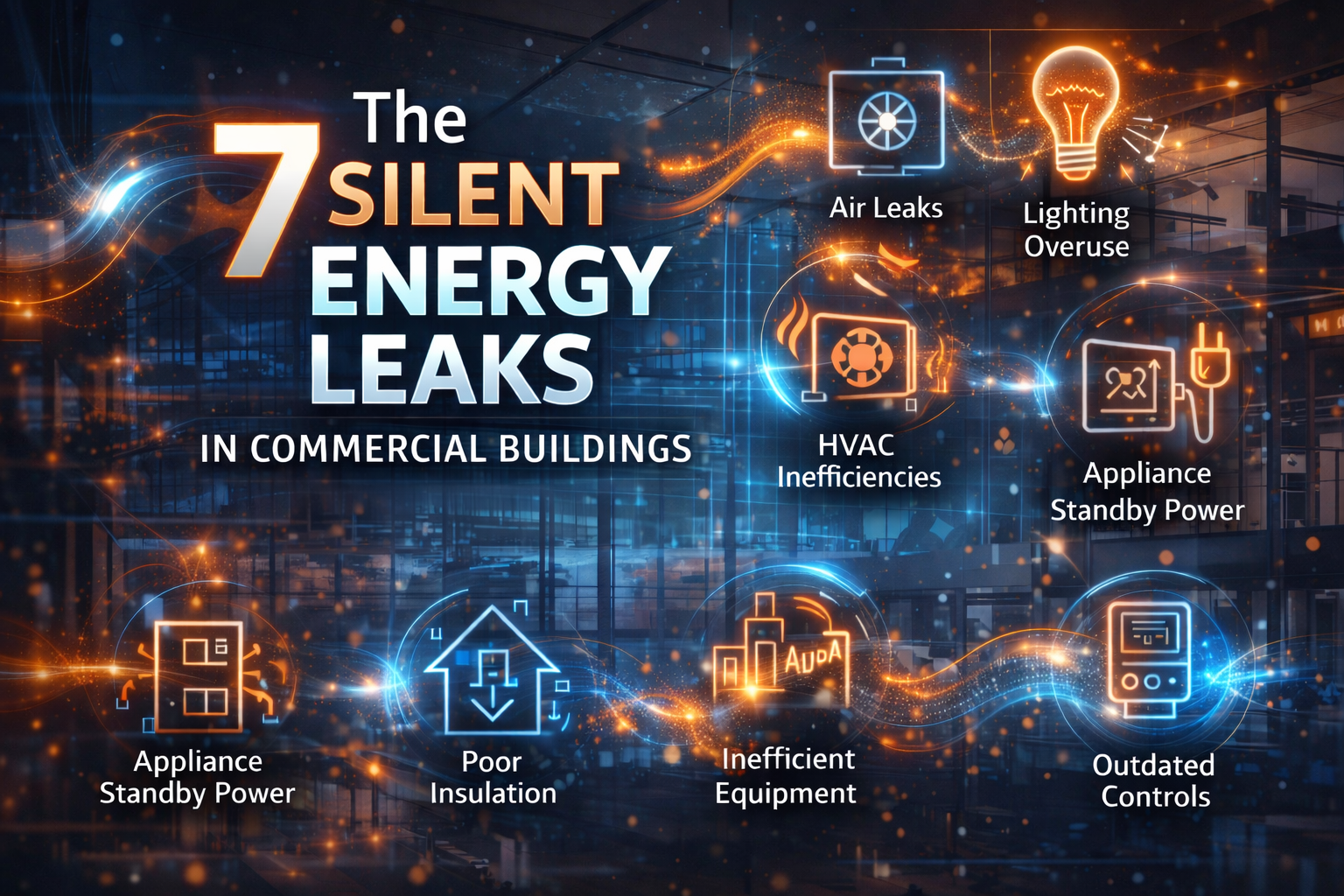
Commercial buildings can lose thousands of dollars each year through hidden inefficiencies that often go unnoticed. While many facility managers focus on major equipment failures or visible maintenance issues, the biggest source of utility waste is often the silent, ongoing energy loss happening behind the scenes. For businesses trying to reduce operating costs, improve building performance, and gain better control over monthly utility bills, it is important to identify where energy waste is quietly occurring. CFT Energy Savings works with commercial, industrial, healthcare, school, and institutional facilities to help reduce both electric and water costs through energy efficiency, water intelligence, and strategic energy management solutions. Why Hidden Energy Waste Matters Most commercial buildings do not waste energy because of one dramatic problem. Instead, they lose money through a collection of small inefficiencies that continue every day. These issues may not trigger alarms, but they steadily increase utility bills, strain equipment, and reduce overall system performance. CFT Energy Savings offers electrical energy efficiency solutions, strategic energy management, and monitoring tools designed to help businesses uncover and reduce these types of losses. The company says its electrical efficiency solutions can reduce energy costs by 3% to 15%, while its strategic energy management program serves facilities such as colleges, healthcare organizations, and schools. 1. Power Surges, Spikes, and Electrical Noise One of the most overlooked energy drains in commercial buildings is poor power quality. Electrical noise, spikes, and surges can interfere with equipment performance and force systems to operate less efficiently than they should. This kind of waste is easy to miss because the building still appears to be functioning normally. However, over time, unstable electrical conditions can contribute to higher consumption, reduced equipment life, and avoidable operating costs. CFT Energy Savings specifically highlights power surges, spikes, and electrical noise as a major reason businesses explore electrical energy efficiency solutions. 2. Inefficient HVAC Operation Heating and cooling systems are often among the largest energy users in a commercial building. Even when an HVAC system is technically working, it may be running longer, harder, or more often than necessary due to outdated controls, poor scheduling, or lack of coordinated system management. This type of inefficiency becomes especially expensive in larger buildings where comfort demands vary by time of day, occupancy, and season. Without a strategic approach to energy management, HVAC waste can quietly become one of the biggest drivers of utility overpayment. 3. Unmanaged Building Schedules Many commercial facilities consume energy long after people have gone home. Lighting, ventilation, and building systems may remain active during low-occupancy hours simply because schedules have not been optimized. A building that operates equipment unnecessarily at night, on weekends, or during partial occupancy can waste substantial energy without anyone realizing it. This is one reason strategic energy management matters. CFT positions its SEM program as a way to reduce energy consumption while improving building performance across institutional and commercial settings. 4. Hidden Water-Related Utility Waste Energy waste is not always limited to electrical systems. Water inefficiencies can also increase overall operational expenses, especially in facilities where water heating, pumping, or pressure-related issues affect utility performance. CFT Energy Savings offers SmartValve technology to help reduce water spend and improve water meter performance, along with Water Intelligence tools that identify leaks and waste in real time. According to the website, SmartValve can reduce commercial, industrial, and residential water spend by 10% to 30%, while Water Intelligence can reduce water consumption by 20% to 25% and help prevent damage. 5. Undetected Leaks and Waste Water leaks are often silent budget killers in commercial buildings. A leak does not have to be dramatic to be expensive. Small, persistent losses can continue for weeks or months before someone notices them, especially in larger facilities with multiple zones, fixtures, and service lines. In many cases, the real problem is not just the leak itself but the lack of real-time visibility. CFT’s Water Intelligence platform is designed to identify leak sources and water waste through AI-powered monitoring and direct control. 6. Outdated Monitoring and Control You cannot manage what you cannot see. One of the biggest silent energy leaks in commercial buildings is the absence of meaningful system data. When building owners rely only on monthly bills, they are often reacting too late. Modern monitoring and management solutions can reveal patterns in energy and water use, helping businesses spot inefficiencies earlier and make smarter decisions. CFT’s approach combines monitoring, utility analysis, and control-oriented solutions that support more informed building management. 7. Utility Bills That No One Has Properly Reviewed A surprisingly common energy leak is administrative rather than mechanical: businesses continue paying utility bills without ever receiving a professional analysis of what those bills may be revealing. Patterns in electric and water billing can expose excessive usage, inefficiencies, abnormal demand behavior, pressure-related waste, or other opportunities for savings. CFT Energy Savings offers both free analysis of electric bills and free analysis of water bills as part of its commercial savings approach. How to Identify Silent Energy Leaks in Your Building The first step is to stop assuming that high utility costs are normal. If your building has rising electric bills, inconsistent water costs, recurring equipment stress, or unexplained usage patterns, there may be hidden inefficiencies affecting performance. A proper review should look at: Power quality issues Equipment runtime patterns Occupancy-based scheduling Water waste and leak risks Utility billing trends Opportunities for strategic energy management When these factors are evaluated together, businesses can often uncover avoidable waste that has been quietly draining money for months or even years. Smarter Buildings Start with Better Visibility Commercial efficiency is not only about replacing equipment. It is about understanding how the building operates every day and identifying the hidden losses that add up over time. CFT Energy Savings provides solutions for electrical efficiency, water monitoring, SmartValve water savings, and strategic energy management to help commercial facilities reduce waste and improve performance. The company serves businesses looking to lower electric and water bills through practical, technology-driven solutions. Get a Free Utility Bill Analysis from CFT Energy Savings If your commercial building may be losing money through hidden energy or water waste, now is the time to take a closer look. CFT Energy Savings offers free analysis of your electric bills and water bills to help uncover inefficiencies and identify potential savings opportunities. To get started, schedule an appointment or call (615) 756-9028 today.
By CFT Energy Savings Solutions April 21, 2026
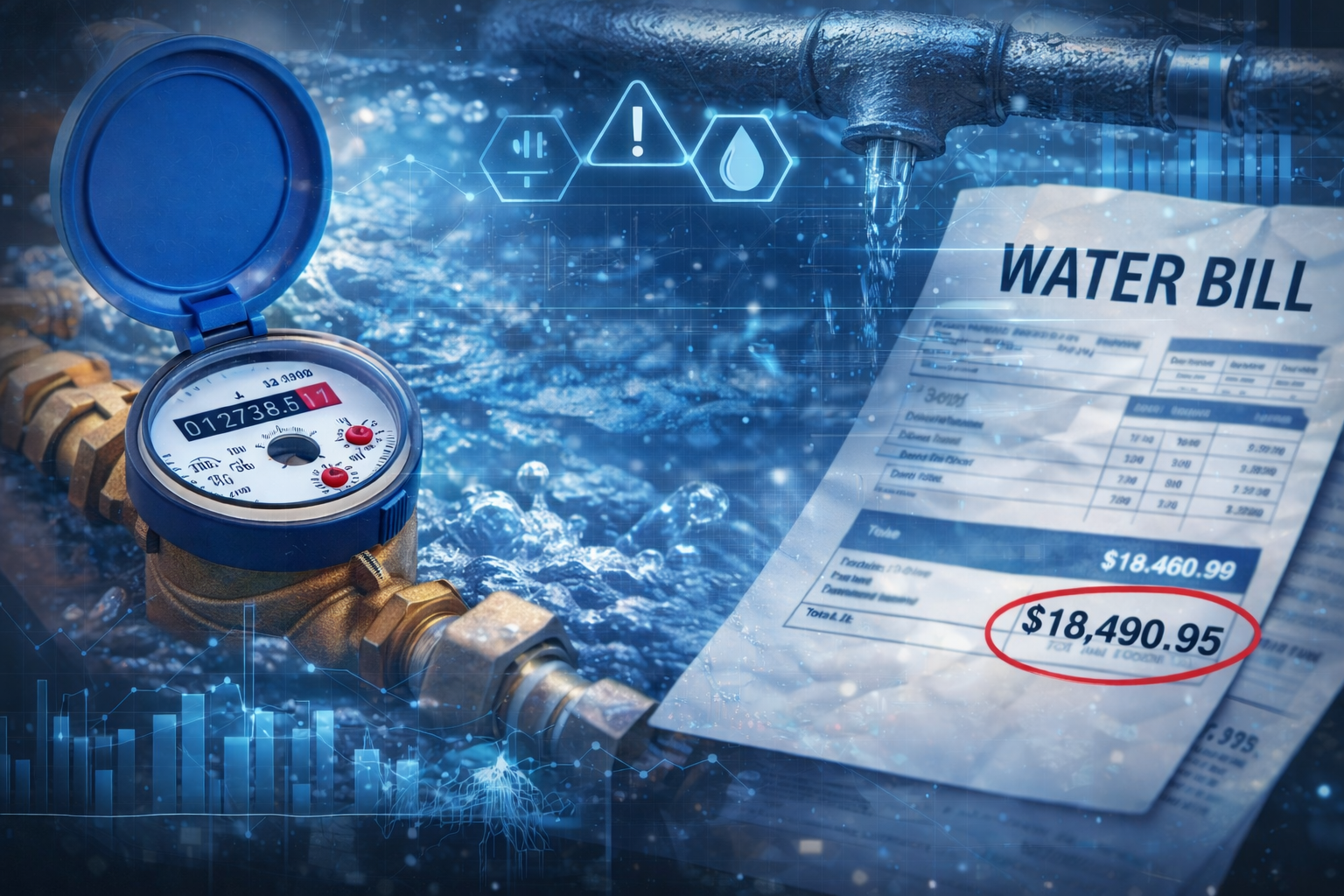
If your water bill keeps climbing and you cannot clearly explain why, the problem may not be simple overuse. In many commercial properties, hidden meter errors, pressure fluctuations, and water delivery issues can quietly increase costs month after month.  Most businesses assume their water meter is perfectly accurate. But in reality, water metering systems can be affected by air in the line, pressure surges, excessive flow, and inconsistent municipal supply conditions. When that happens, your property may be billed for more water than you actually use. That is why a Hidden Meter Errors Report matters. At CFT Energy Savings, we help businesses identify costly water billing issues and uncover opportunities to reduce waste, improve accuracy, and lower utility expenses. Why Water Bills Can Be Higher Than Expected Many building owners and facility managers focus on visible leaks when water costs rise. Leaks are certainly one possibility, but they are not the only reason a bill may be too high. In some systems, water pressure changes between static and dynamic conditions can create turbulence and surges. These fluctuations can affect how water passes through the meter. Some meters can also register volume in ways that do not always reflect true liquid-only consumption, especially when air is present in the line. CFT’s Smart Valve messaging specifically addresses these concerns by focusing on pressure stabilization, flow control, and improved meter accuracy. For a business, that means the issue may not be how much water your team is intentionally using. The issue may be how the system is being delivered, measured, and billed. Hidden Meter Errors That May Be Costing You Money A high water bill does not always point to one major problem. Often, it is the result of several small issues happening together over time. Pressure Surges When your water system shifts from no flow to active flow, sudden pressure changes can occur. These surges may cause the meter to react inaccurately, particularly when the flow rate spikes beyond the meter’s intended range. Over time, those inconsistencies can lead to higher billing. Air Volume in the Line Water systems can contain entrained air. Since most water meters measure by volume, air moving through the meter can contribute to readings even though it is not usable water in the same way building owners expect. CFT highlights this as one of the key reasons some facilities may be overbilled. Excessively High PSI Many fixtures are designed to operate at moderate pressure, but municipal water pressure can often be much higher. Excess pressure can increase consumption at sinks, hoses, and other fixtures while also contributing to wear on seals and gaskets. That means your property could be paying more for both water usage and maintenance-related issues. Unnoticed System Inefficiencies Not every loss shows up as a visible plumbing failure. Some buildings simply operate with inefficient pressure conditions, poor monitoring, or usage patterns that go unchecked. CFT’s Water Intelligence offering is built around detecting leaks, identifying waste, and helping businesses reduce water consumption through smarter monitoring and control. What a Hidden Meter Errors Report Should Look For A useful report should do more than tell you your water bill is high. It should help identify why. For commercial properties, that process should include a review of water billing patterns, meter behavior, pressure conditions, and possible causes of overconsumption. It should also look at whether your system is operating in a way that supports accurate measurement. At CFT Energy Savings, the goal is not guesswork. The goal is to uncover whether your property has avoidable billing problems and whether solutions like Smart Valve or Water Intelligence may help improve performance. How CFT Energy Savings Helps Reduce Water Costs CFT Energy Savings offers solutions specifically designed to address the kinds of issues that can increase water bills without obvious warning signs. The Smart Valve is positioned as a way to help stabilize flow, reduce excessive pressure, keep the water line pressurized at the meter, and minimize conditions that can contribute to inaccurate readings. According to CFT, it can also help reduce unnecessary consumption and operate continuously without ongoing maintenance. For properties needing deeper monitoring, CFT’s Water Intelligence solution adds direct monitoring and control technology that can detect leaks, analyze usage, and help businesses reduce water waste. CFT states that businesses using this type of system can often reduce overall water consumption by 20 to 25 percent. Together, these solutions support a smarter approach to water cost management. Signs Your Business May Need a Water Bill Review If any of these sound familiar, it may be time to take a closer look at your water bill: • Your monthly water costs keep increasing without a clear operational reason • You suspect your usage does not match what you are being charged • Your property has high municipal water pressure • You have older plumbing fixtures or recurring maintenance issues • You want to improve sustainability while lowering operating costs • You have never had your water billing patterns professionally reviewed Even a small billing inaccuracy, repeated month after month, can add up to significant costs over time. Stop Guessing About Your Water Bill If your business is paying more for water than it should, the right next step is not to keep guessing. It is to get real insight into what is happening inside your system. A professional water bill analysis can help reveal hidden inefficiencies, possible metering problems, and opportunities to reduce waste. For many businesses, that is the first step toward long-term utility savings. Get a Free Water Bill Analysis from CFT Energy Savings Wondering whether hidden meter errors are increasing your costs? CFT Energy Savings offers free analysis of your water bills to help identify issues related to pressure, flow, water waste, and meter accuracy. If your business is ready to stop overpaying for water, now is the time to take a closer look. Schedule an appointment with CFT Energy Savings today or call (615) 756-9028 to learn how smarter water management can help reduce your utility expenses.
An empty office with cubicles , desks , chairs and computers.
By CFT Energy Savings Solutions March 23, 2026
Optimize Energy Efficiency During the Warmer Months
A wooden thermometer is sitting in front of a bright orange sun.
By CFT Energy Savings Solutions February 26, 2026
Take Control of Your Business’s Energy Costs 
A woman wrapped in a scarf is sitting at a desk in front of a laptop computer.
By CFT Energy Savings Solutions December 17, 2025
Optimize Energy Efficiency Before Winter Sets In 
A person is holding a tablet with a light bulb and the words save energy written on it
By CFT Energy Savings Solutions September 25, 2025
Why Energy Efficiency Matters for Small Businesses and Residences
A person is using a tablet computer in front of a window.
By CFT Energy Savings Solutions September 7, 2025
How SmartValve is Transforming Water Efficiency Across Industries 
A close up of a red pipe with nuts on it
By CFT Energy Savings Solutions September 7, 2025
Smarter Water Management with Direct Monitoring and Control Technology
Water is pouring from a faucet into a sink.
By CFT Energy Savings Solutions June 17, 2025
Advancing Sustainability with Automated Water Management
A blue background with a white gear and the word automation on it.
By CFT Energy Savings Solutions June 5, 2025
Stay Ahead with 2026’s Top Energy and Water Efficiency Trends 
A smart valve logo with water bubbles in a circle
By CFT Energy Savings Solutions May 22, 2025
Optimize Water Usage During the Colder Months 
A computer chip with the word ai written on it
By CFT Energy Savings Solutions May 6, 2025
The Future of Energy Efficiency for Businesses 
More Posts