HOW THE UTILITY COMPANY OVERBILLS YOU FOR WATER
POSTIVE DISPLACEMENT WATER METERS ARE INACCURATE DUE TO PHYSICS OF FLOW
- Over 99% of water meters in use by utility companies measure by VOLUME. These meters do not differentiate between gas and liquid. This means any air volume gets billed as water.
- It’s a fact that there is air in water lines. Plumbing systems must be properly designed to avoid air blocks and air hammering.
- When water using appliances or system are started, a faucet is opened or a toilet is flushed a pressure drop is created in the water distribution system.
- A pressure drop creates turbulence.
- Turbulence also causes meter inaccuracy.
- Water meters can over spin.
- Water meters are designed to be accurate within a specific range of GPM.
- Higher than 60-65 PSI can cause over delivery of water

HOW TURBULENCE INTRODUCES AIR
- Air Entrainment: Turbulent flow at the free surface of water creates strong shear forces which mix air into the water.
- Cavitation: When localized pressure drops below the vapor pressure of water, it creates vapor bubbles that break down, often occurring at obstructions or even pipe areas.
- Vortex Formation: Intense turbulence can create vortices that draw air through pipe fittings from the atmosphere into the water.
- Impact: The turbulence-induced aeration can lead to air buildup in pipes, affecting water flow, causing noise, and damaging pumps.
How Positive Displacement Water Meters Work
Positive displacement water meter technology is the only flow measurement technology that directly measures the volume of the fluid passing through the meter. Positive displacement meters achieve this by repeatedly entrapping fluid in order to measure its flow. This process can be thought of as repeatedly filling a bucket with fluid before dumping the contents downstream. The number of times that the bucket is filled and emptied is indicative of the flow through the meter.
Entrapment is usually accomplished using rotating parts that form moving seals between each other and/or the meter body. In most designs, the rotating parts have tight tolerances so these seals can prevent fluid from going through the meter without being measured (slippage). In some positive displacement meter designs, bearings are used to support the rotating parts. Rotation can be sensed mechanically or by detecting the movement of a rotating part. When more fluid is flowing, the rotating parts turn proportionally faster. The transmitter processes the signal generated by the rotation to determine the flow of the fluid. Some positive displacement meters have mechanical registers that show the total flow on a local display. Other positive displacement meters output pulses that can be used by a secondary electronic device to determine the flow rate. The pulses output of these meters are recorded by CFT’s measurement and verification technology to prove CFT’s air elimination technology.
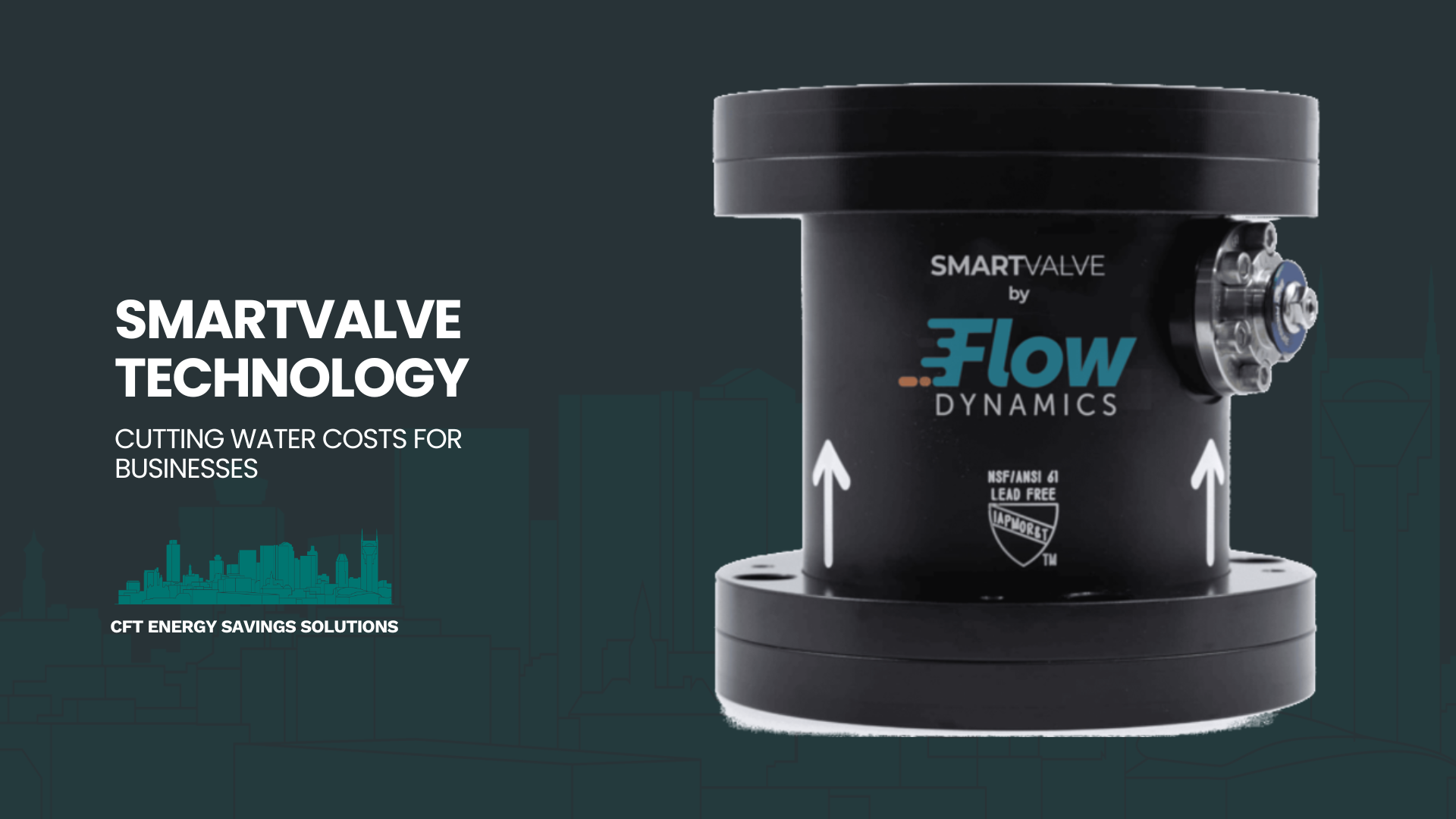
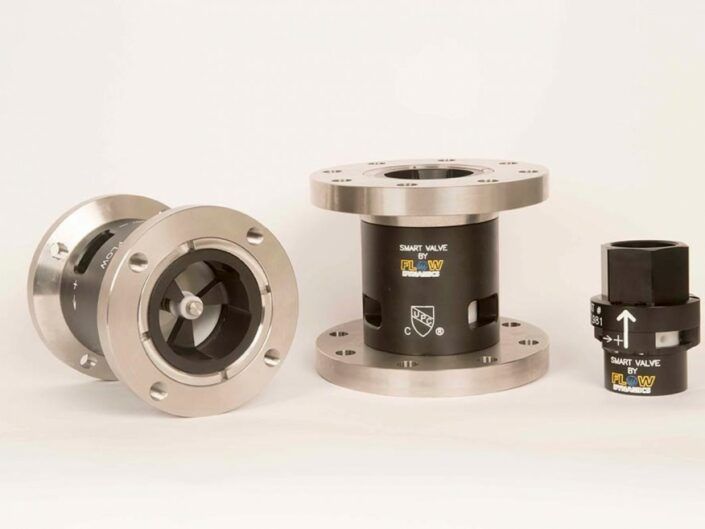
Removing Air Bubbles From Water
Be sure that air bubbles are removed from liquid flow streams when using positive displacement meters. Flow measurements taken with bubbles present will be higher than the true liquid flow because the bubble volumes will be measured as if they were a volume of liquid. Therefore, the presence of air bubbles and (especially) the presence of a varying amount of air bubbles can adversely affect the flow measurements associated with positive displacement meters. An air eliminator is required to remove bubbles and mitigate this problem. CFT’s air eliminator will save 15% to 25% on your water bill and pay back in 6 to 18 months. Send CFT twelve months of original copies of your water bills and we will provide a FREE analysis so you can discover how our technology will work for you.