Hospital Utility Solutions
Optimize water billing. Improve power quality.
CFT brings Smart Valve™ and Powerhouse together in one utility review for hospitals and healthcare campuses.
One review for water and power
Start with your utility bills, water-service configuration, and electrical history to evaluate where each solution fits.
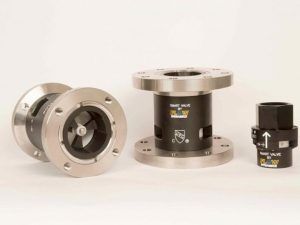
Smart Valve™
Water Service
Installed on the facility side of the water meter, Smart Valve uses backpressure to compress entrained air at the meter. The goal is to reduce the billed volume attributable to air in the water line.
What CFT reviews: Water bills, meter type and size, and available pressure at peak flow.
Powerhouse
Electrical Distribution
Powerhouse conditions power at selected points in a hospital’s electrical distribution system. CFT evaluates the application against site-specific issues such as harmonic distortion, transient events, and power factor.
Power conditioning can mitigate harmonic distortion by filtering or canceling unwanted harmonic currents. When electrical interference contributes to noise or artifacts in MRI or CT images, reducing it can improve image clarity and make fine detail easier to see.
What CFT reviews: Electric bills, switchgear details, and power-quality measurements, including total harmonic distortion (THD).
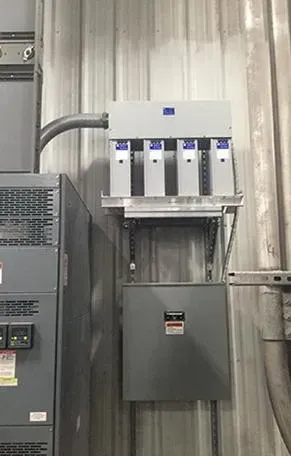
Hospital Reference Letter
Jefferson Hospital’s facilities manager reported in a 2017 reference letter that total harmonic distortion fell at the imaging and surgery centers after power conditioners were installed. The manager also reported clearer MRI and CT images.
Vanderbilt University Medical Center
Smart Valve Case Study
23% lower average metered volume
$90,000 annualized savings estimate
Average metered volume declined from 3,210 to 2,473 CCF per month when comparing May–August 2021 with May–August 2022.
Birmingham Children’s Hospital
Powerhouse Case Study
Brief power disturbances had triggered generator transfers and delayed surgical procedures. The Powerhouse case study reported nine years without surgery delays attributed to those disturbances after the 2015 installation.
The examples describe separate installations. Results depend on site conditions.